
Year-End Planning: Tax-Smart Moves Advisors Can’t Overlook in Q4

Every advisor knows how fast the final quarter moves. Deadlines stack up, clients get anxious about taxes, and every portfolio review feels urgent. Yet amid that rush lies the best opportunity of the year to prove your value through clear, proactive tax planning.

Here’s the thing: Clients aren’t just looking for performance updates anymore. Nitrogen’s recent Firm Growth Survey finds that investors prioritize core services—like portfolio management and tax planning—over peripheral offerings. In Q4, that insight is your cue to focus on what clients really pay attention to: smart, measurable moves that reinforce trust. They want to see their advisor anticipating opportunities and protecting what they’ve earned.

In other words, the advisors who thrive this season turn complex tax planning into clear, visual conversations that clients actually enjoy. And with the right technology, they can show those results in real time.

Q4 belongs to the advisors who plan ahead

Every advisor knows the feeling. The calendar fills up, markets keep moving, and clients start asking the big question: Are we ready for year-end? It’s a hectic stretch, but it’s also the one time of year when clarity and proactive planning matter most.

Some advisors might shrug it off. They’ll say that tax planning can wait until January, that a solid strategy doesn’t hinge on one quarter. Fair enough, but clients rarely see it that way. When they don’t hear from their advisor in Q4, they start to wonder who’s steering the wheel. Silence feels like drift.

That’s why year-end financial planning for advisors is such a valuable moment. It’s not about squeezing in last-minute transactions; it’s about transforming complexity into confidence. Reviewing tax exposure, rethinking income timing, and checking charitable or retirement distributions show clients that their advisor is not only watching the markets but actively guiding them through it.

It’s also about momentum. Advisors who embrace tax-smart investing now create proof points their clients can see: potential tax savings identified, opportunities captured, and risks managed before they grow. Those moments build trust that lasts well beyond December.

Think of Q4 as the pit stop in a long race. You can’t win it there, but you can lose it if you coast. The best advisors use the break to refuel the plan, tighten the bolts, and send clients into the new year ready for whatever comes next.

When you treat this season as routine, clients forget. When you treat it as your proving ground, they remember exactly why they chose you.

How to make tax conversations land

Unfortunately, most advisors have their hands full by the time Q4 rolls around. Meeting after meeting, the same challenge repeats: how do you keep clients engaged when the conversation turns to tax strategy? The formulas are right, but the energy drops. The problem isn’t effort. It’s connection.

So what separates good meetings from great ones? The best advisors use a few simple habits that turn complex discussions into clear, confident conversations.

  • Lead with purpose, not paperwork. Start with the story behind the numbers. Maybe it’s freeing cash flow, lowering next year’s tax bill, or funding a charitable goal. Once clients see why the strategy matters, they’ll lean in to understand how it works.
  • Turn data into dialogue. Let’s be honest: most people don’t light up when you start talking tax brackets. But show them how two strategies change their after-tax income, and suddenly they’re engaged. That’s the essence of modern tax planning strategies for financial advisors: clarity through visualization. Tools like Nitrogen’s AI Tax Center make that easier by transforming a 1040 into a clean visual snapshot, so you spend less time explaining and more time advising.
  • Coach the decision, not the data. And here’s where the magic happens. The most effective meetings don’t end with a pile of printouts. They end with a client who feels confident taking action. Let technology handle the calculations so you can focus on what clients really need: perspective, reassurance, and guidance.

The mistake most financial advisors make is trying to show everything: every number, every possible scenario, every line of the return. But complexity only overwhelms. When clients feel lost, they stop listening.

The real mark of expertise isn’t how much you can explain, but how clearly you can simplify. Simplicity earns confidence.

5 high-impact places to start your Q4 tax conversations

Of course, the real question is, “Where do you even begin?” There are dozens of strategies, dozens of client situations, and never enough time. And when time is tight, it’s easy to either overcomplicate the conversation or miss key opportunities entirely.

That’s why it helps to start with the moves that offer the most visibility and value. These aren’t the only year-end planning strategies, but they’re five of the most common, actionable, and trust-building topics to review with clients right now.

  • Tax-loss harvesting. Review portfolios for realized and unrealized gains. Look for opportunities to capture strategic losses and improve next year’s tax position. With digital portfolio tools, you can instantly show clients how those changes affect both returns and tax impact.
  • Roth conversions. Evaluate whether converting assets before income brackets change could deliver long-term tax benefits. Planning software can help visualize the tradeoffs so clients can make informed decisions on the spot, while keeping in mind that conversion timing and tax implications depend on each client’s situation.
  • Required minimum distributions (RMDs). Confirm that all distributions are accurate and on time. Missing an RMD can lead to penalties under IRS rules, so it’s wise to automate reminders and verify totals. Use technology to show clients how their distribution strategy fits into their broader plan.
  • Charitable giving strategies. Explore high-impact giving options like donor-advised funds, appreciated securities, or qualified charitable distributions, as appropriate for each client. Technology-driven insights can help identify opportunities to align giving with tax efficiency and long-term goals.
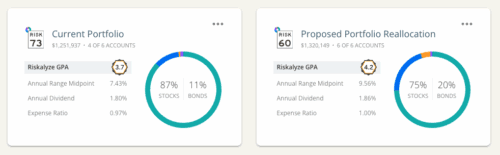
  • Portfolio rebalancing. Realign allocations to match client risk tolerance and investment goals. After a volatile period, a quick rebalance tied to their Risk Number® helps reinforce the discipline and consistency behind your insights.

Finish strong. Start fearless.

Year-end planning isn’t about checking boxes. It’s about helping clients see the results of your work, and setting the stage for smarter decisions in the year ahead. In other words, these strategies aren’t just smart. They’re a chance to lead with clarity when it matters most.

That’s what Nitrogen is designed to do. From surfacing planning opportunities to simplifying complex conversations, the platform helps you lead with clarity and deliver advice your clients can see and understand.

Interested in learning more? Discover how Nitrogen’s AI-powered tax tools can help you turn year-end planning into your most engaging client conversation yet.

Fall 2025 Product Launch: AI Tax Center, New AI Tools to Power Year-End Meetings

Advisors are heading into one of the busiest seasons of the year, packed with client reviews, portfolio updates, and important year-end tax conversations. Nitrogen’s final product launch of 2025 introduces a new wave of AI-powered tools designed to make every meeting faster, clearer, and more impactful.

This release builds on a year of nonstop innovation across the Nitrogen platform, transforming how advisors research investments, uncover insights, and communicate value. From smarter discovery to client-ready tax visuals, every enhancement is built to help you spend less time clicking through data and more time building trust with clients.

It’s a major leap forward for advisors who want to bring more clarity and strategy into every meeting, especially as year-end planning season kicks into full gear.

Here’s a look at everything new from our Fall Product Launch Event.

Introducing AI Tax Center: Simplify Tax Conversations, Uncover New Opportunities

Tax season used to mean clunky software, confusing forms, and missed planning conversations. Even with a client’s 1040 in hand, most advisors were stuck manually pulling key details just to get a basic understanding.

Now, there’s a better way.

AI Tax Center turns a client’s tax return into a clean, visual snapshot that’s built right into your Nitrogen workflow, so you can move from prep work to powerful conversations in seconds.

  • Drop in a 1040 and get instant clarity. Filing status, income sources, tax brackets and rates, deductions, and more are automatically visualized.
  • Spot opportunities that drive real value. Whether it’s bunching charitable contributions or adjusting income to avoid Medicare surcharges, you can easily view what matters most.
  • Reveal heldaway assets and high-cash accounts. By analyzing Schedule B interest and dividend data, AI Tax Center helps uncover what’s missing from the portfolio. That’s a great way to kick off new, high-impact conversations.
  • Spend less time prepping and more time advising. With integrated AI-enabled insights, you can move directly from analysis to action. Tax planning that fits into your workflow, not the other way around.

Advisors have been asking for this. Now it’s here. A faster, cleaner, more client-friendly way to bring tax strategy into the conversation.

AI Research Center: Smarter Discovery, Faster Answers

When it’s time to explore investments or prepare for a client meeting, AI Research Center is where advisors start. Now, with the debut of Discovery, that experience gets a major upgrade. Powered by AI, it’s faster, more intuitive, and built to deliver insights in seconds.

  • Search with plain language. Just type what you’re looking for, like “low risk ETFs with a dividend yield above 2%,” and Discovery translates your request into structured filters and results.
  • Refine with natural follow-ups. Ask Discovery to narrow or expand your search with simple prompts like “only large cap” or “U.S. stocks.” Each refinement happens instantly, so you can stay focused on building better portfolios, not managing filters.
  • See performance over the long haul. You can now include 10-year trailing returns in Discovery, Security Stats, and proposal reports. It’s a simple way to bring long-term perspective to conversations.
  • Show the full story. We’re adding more flexibility to how trailing returns display with a new option called Partially Illustrated Trailing Returns. Instead of hiding results when one newer or low-weight position lacks full history, Nitrogen can now show returns based on the majority of a portfolio’s data, just like Modeled Performance does. If most holdings have ten years of performance, that 10-year view will appear across all timeframes, clearly cited as a partial illustration; if not, we’ll default to five years. Advisors can toggle between full and partial modes anytime, maintaining transparent, accurate, and client-ready performance reports.

Together, these updates make AI Research Center feel like a true partner in analysis, helping advisors move from search to story faster, with confidence that every conversation is grounded in smarter data.

Planning and Insurance: Stronger Models, Clearer Conversations

Retirement planning is where advisors build trust. Clients want to know their income will last, no matter what the market does. And now, Nitrogen makes that story easier to tell.

With a refreshed design, expanded annuity coverage, and new income modeling and stress testing tools, you can illustrate every retirement scenario with clarity and confidence.

  • See the numbers that matter. A redesigned annuity view now highlights key metrics right at the account level, including income start date, payout amount, and projected return, without digging into sub-accounts or fine print.
  • Model income riders accurately. AI Income Center now reflects how annuities with income riders actually perform by combining guaranteed income with continued market growth for a more realistic view of lifetime income.
  • Expanded annuity coverage. Nitrogen’s annuity universe has been broadened and refined across leading providers, making it easier to find and model the products your clients own.
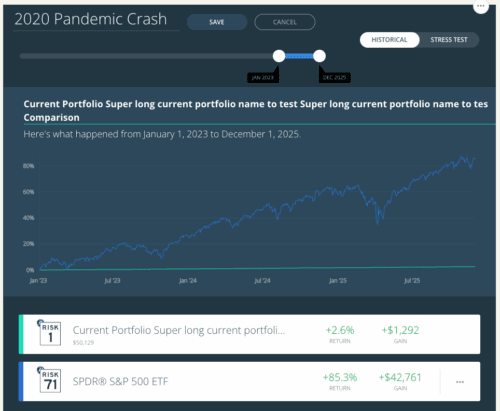
  • Stress test retirement plans. Simulate historical market events like the 2008 financial crisis or recent inflation shocks to show clients how their plan and their guaranteed income hold up in real-world conditions.

These enhancements turn complex retirement projections into simple, visual stories that resonate. Clients leave every meeting feeling more confident, more informed, and more fearless about their financial future.

AI Meeting Notetaker: Smarter Prep, Seamless Client Engagement

Advisors juggle back-to-back meetings, client reviews, and fast-moving portfolios. AI Meeting Notetaker was built to make that work easier. It connects everything you need before, during, and after each conversation, so you can spend less time managing logistics and more time delivering value.

  • Prepare for meetings automatically. The newly launched AI Meeting Prep gathers portfolio data, planning insights, and past activity into a single, personalized brief. It helps you walk in ready to lead the conversation with confidence.
  • Keep every meeting connected to the client. Each meeting, note, and follow-up now lives on the dedicated new Meetings tab in a client’s profile, giving advisors a unified view of past and upcoming meetings, AI-curated notes, and actionable insights.
  • Send curated notes directly to your CRM. AI Meeting Notetaker integrates with Redtail, Salesforce, and now Wealthbox, making it easy to share notes and next steps without leaving Nitrogen.

Together, these updates make AI Meeting Notetaker an essential part of the advisor workflow. From prep to follow-up, everything works together to help you stay organized, save time, and look brilliant in every meeting.

AI Statement Capture: Faster, More Accurate Imports

AI Statement Capture now supports share quantities, improving accuracy when importing client statements or files. Nitrogen AI automatically reads quantities when they are available, reducing drift and minimizing manual edits. It is a simple upgrade that saves time and ensures portfolios are modeled precisely from the start.

Stronger Tools, Sharper Meetings, Smarter Year Ahead

This launch is about helping advisors walk into every client meeting ready to deliver clarity and value. Whether you are researching investments, building retirement plans, reviewing client statements, or discussing tax strategy, these new AI-powered tools make every step faster, smarter, and more seamless.

If you missed the live event or want a closer look at what’s new, you can watch the full replay here.

How Advisors Can Save Hours a Week (Without Missing a Single Client Detail)

Picture this…

It’s 8:42 p.m. Your last client meeting ended an hour ago, but the real work is still waiting. Notes to log. Follow-ups to write before anything slips through the cracks.

You’re not alone. Most advisors spend nearly 70% of their time on non-revenue tasks like documentation and record-keeping. That’s hours every week taken away from the conversations that actually build trust.

Clients feel it too. In our recent Firm Growth Survey, more than two-thirds of investors said they’d switch advisors for better communication and technology. They’re not asking for more data. They want attention.

That’s where artificial intelligence is starting to change the game. With the right tools, AI can prep your meeting, capture your notes, and document next steps… automatically. You get to stop multitasking and start listening. The client gets your full attention. And suddenly, the meeting becomes what it was always meant to be: a real conversation.

The Rise of AI-Powered Meetings

Across the financial advisor industry, artificial intelligence is no longer just a headline. It’s moved from data labs to daily workflows, reshaping how advisors prepare for and document their meetings. What began as a back-office efficiency tool has now become central to emerging wealth management trends, transforming how client relationships are managed in real-time.

Before AI, meeting prep meant chasing down fragments: notes buried in CRMs, portfolio reports in separate systems, and email threads you barely remembered sending. Just feeling prepared could take longer than the meeting itself. And even then, it was easy to miss something important. Multiply that by a week’s worth of reviews, prospect calls, and client updates, and the hours added up fast.

Now, that dynamic is changing. Artificial intelligence can take on the prep work that once drained hours and focus. Instead of hunting for details across multiple systems, advisors are walking into meetings with everything they need at their fingertips.

Here’s how AI helps streamline the prep:

  • Compiling recent client updates and portfolio changes
  • Surfacing past discussion points or open questions
  • Suggesting agenda items to keep conversations focused and productive

During the meeting itself, AI works silently in the background. It listens for key information, captures action items, and tracks follow-ups, all without interrupting the flow of conversation. Instead of taking notes, you can focus on the client. You get to ask better questions, read body language, and stay fully present.

After the meeting, that same AI transforms the conversation into clear summaries and documentation. Compliance language? Captured. Follow-up tasks? Listed. Advisors no longer need to rehash every meeting at the end of the day. The system takes care of it. That means faster follow-through, more consistent records, and fewer late nights.

Prospects notice when an advisor is fully present. In a discovery call, undivided attention can build immediate trust. With AI handling the note-taking behind the scenes, advisors can stay engaged in the conversation instead of juggling a keyboard. That presence signals something powerful to the prospect: this advisor listens, understands, and cares.

Clients value the same attention, but they also expect consistency. With AI generating clear follow-ups and tracking ongoing conversations, advisors can deliver seamless continuity from meeting to meeting. Nothing gets lost, and every follow-up feels personal. That kind of reliability doesn’t just increase satisfaction. It drives loyalty.

Why the Human Advisor Matters More Than Ever

Admittedly, many advisors feel cautious about artificial intelligence in client meetings. They’ve built their success on personal connection; the listening, the questions, the subtle cues that reveal what a client really needs. It’s natural to worry that technology might interrupt that flow. But the truth is, the right AI does the opposite. It protects it.

New tools have always brought skepticism. When spreadsheets replaced ledgers, people feared they’d de-skill the finance profession. When autopilot took the cockpit, pilots worried they’d lose control.

But neither tool replaced expertise. They simply handled the routine, so professionals could focus on what really mattered. AI in meetings works the same way. It takes care of the prep, the notes, and the documentation, giving you space to do your most human work.

You’re still the one in charge of the conversation. You’re reading tone, watching body language, and guiding clients through complex choices. But now you can do it without toggling between screens or worrying that something important will slip by while you’re typing.

This is where AI makes the greatest difference: it lets you show up more fully. The questions get sharper. The conversations run deeper. The relationship grows stronger. Not because of what the software says, but because of the space it gives you to do your best work.

That’s what modern financial advice is really about. And that’s where the best advisor marketing technology earns its place.

Not by replacing the advisor, but by making every meeting more focused, more human, and more memorable.

Putting AI to Work, One Meeting At a Time

You don’t need a tech overhaul to start using AI in your client meetings. The better approach is to start small. Focus on the moments where time and energy tend to slip through the cracks.

Ask yourself: Where does meeting friction slow you down? Is it in the prep? The note-taking? The post-meeting cleanup? That’s where AI can start making an immediate difference.

Here are four easy ways to start:

  • Automate your note-taking. Typing during a client meeting divides your attention. Start experimenting with AI-powered tools that can capture and summarize conversations automatically, so you can stay present and follow up with clarity.
  • Streamline your prep. Review past notes, portfolio updates, and key action items in one place before the meeting starts. Tools like Nitrogen’s AI Meeting Notetaker surface context and talking points to help you walk in focused and ready.
  • Simplify documentation and compliance. Post-meeting notes often take longer than the meeting itself. Consider platforms that generate compliant summaries and organize follow-ups without extra copy-paste work.
  • Start with the systems you already use. Look for solutions that integrate directly into your existing workflow. AI Meeting Notetaker is already built into the Nitrogen platform, with no setup, new logins, or IT lift required.

Across the financial advisor industry, firms are finding that small AI upgrades deliver big returns in time, energy, and consistency. As wealth management trends continue to evolve, the advisors who run smarter meetings (not just more of them) will stand out.

The Bottom Line: Better Meetings Start with Presence

Great meetings aren’t about saying more. They’re about connecting better.

When you can walk into every conversation prepared, stay focused while you’re in it, and follow up with clarity, clients feel it. And they remember it.

That’s exactly why we built Nitrogen’s AI Meeting Notetaker. It’s your intelligent meeting assistant, designed to handle the prep, note-taking, and post-meeting documentation inside the Nitrogen platform you already trust.

No extra tools. No learning curve. Just more time for real conversations and better client outcomes.

Interested in learning more?

Request more information on AI Meeting Notetaker and discover how a single tool can help you save time, stay compliant, and strengthen client relationships one meeting at a time.

How Financial Advisors Can Turn Tax Insights Into Year-End Prospecting Opportunities


Tax season technically ends in April, but the emotional and financial reflection it sparks lasts all year. As the end of the year approaches, many clients naturally revisit their finances—thinking about what worked, what didn’t, and how to improve for next year.

For financial advisors, this renewed awareness creates an ideal window not just for relationship-building, but for meaningful, value-driven prospecting. Clients are:

  • Reviewing tax outcomes
  • Evaluating investment performance
  • Considering charitable contributions or capital gains decisions
  • Thinking about income changes and next-year goals

Whether clients are preparing for next year’s returns or evaluating their investment strategies, this season of reflection is a powerful opportunity for connection and growth.

What a 1040 Reveals: The Story Behind the Return

Every 1040 tells a story. Hidden among the line items are insights about your client’s broader financial world.

You might notice charitable contributions that could be optimized, capital gains that weren’t anticipated, or business income that isn’t fully integrated into a comprehensive wealth plan.

Tax returns also reveal assets that may not be under your management, like brokerage accounts, retirement plans, or rental properties. For existing clients, this is the perfect opportunity to provide proactive, strategic guidance. For prospects, it’s your chance to add value immediately by uncovering opportunities they may be missing. With Nitrogen’s Lead Generation tool, you can start that process confidently and efficiently.

Why Follow-Up Matters at Year-End

The final months of the year naturally spark questions about taxes and financial goals. Clients are looking for ways to reduce their tax burden before December 31 and position themselves for a stronger start next year.

By positioning your outreach as a year-end strategy session, you turn tax talk into a forward-looking conversation. It’s not about reviewing the past, it’s about planning smarter for what comes next.

Ask the Right Questions to Spark Deeper Discussions

A single thoughtful question can open the door to deeper conversations.

Ask your clients:

  • What surprised you about your tax picture this year?
  • Did your portfolio perform as expected?
  • Do you wish you had a more strategic plan for charitable giving or capital gains?
  • How confident do you feel about your financial risk exposure?

If clients express uncertainty about market volatility or their overall strategy, it’s a perfect opportunity to introduce Nitrogen’s risk alignment tools to help bring clarity and confidence.

How Nitrogen Helps You Turn Insights Into Action

Tax season opens the door. Nitrogen helps you walk through it with tools that turn reflection into action and surface-level conversations into long-term relationships. 

Here’s a quick look at how Nitrogen’s Platform supports smarter prospecting and more strategic follow-up: 

  • Visual Risk Alignment: Nitrogen’s Risk Center explains how the platform helps you assess and align client risk tolerance using the Risk Number®.
  • Proposal Generation: The Proposals Dashboard details how you can create and manage investment proposals tailored to client risk profiles.
  • Tax-Efficient Transition Modeling: Nitrogen’s Tax Drag analysis provides insights into how taxes impact investment returns, which helps you make tax-efficient decisions for your clients.
  • Lead Generation: The Lead Generation Questionnaire feature showcases how you can attract and engage potential clients through personalized questionnaires.

This isn’t just about prospecting. It’s about showing up as the problem-solver who connects the dots in a way that others haven’t.

Turn Reflection Into Momentum

The end of the year is one of the best times to reconnect with clients, start new relationships, and uncover opportunities for growth.

Your clients are already thinking about their money. Nitrogen helps you turn every 1040 into a client-ready tax snapshot and smart insights that make tax conversations click. Want to explore how AI Tax Center can enhance your tax-aware conversations? Add AI Tax Center today and turn tax complexity into clarity.

AI in Financial Planning: Turning Hype into Advisor Efficiency

AI is everywhere in the headlines. Some say it will predict the market. Others warn it will replace advisors altogether. But most professionals are left asking a more practical question: what does this mean for my practice right now?

Here is the truth: AI will not replace advisors. But advisors who use it to eliminate busywork will run faster, tighter practices than those who do not.

AI is not a gimmick. It is not here to take over client relationships or replace judgment calls. It is here to remove the repetitive work that eats away at your day. To prepare your meetings before you walk in. To turn conversations into clear action items. To give you more time for the people who matter most: your clients.

The Real Value of AI for Advisors

The real promise of AI in finance is not in science fiction. It’s in advisor productivity. Firms already using it are seeing results: less manual prep, tighter follow-ups, and simpler client conversations.

Stop losing hours to prep

Meeting prep and follow-up can take hours every week. An F2 Strategy survey found that firms using AI tools saved up to 90 minutes per client meeting by cutting down on prep and recap work. That is time you can put back into growth or into your personal life.

Never let follow-ups slip

Sticky notes and late-night emails used to be the norm. Now AI tools can turn conversations into summaries, action items, and task lists. Selecting the right tools, however, makes a big difference. Kitces Research shows that industry-specific AI notetakers outperform generic ones because they integrate with advisor CRMs and workflows.

Make complexity clear

Clients do not want scatter plots or spreadsheets. They want to know what it means for their goals. AI helps translate complexity into plain language and clear visuals, so clients walk away confident in the plan you have built together.

AI does not replace the human side of advising. It clears the noise so you can focus on building trust and guiding decisions.

Compliance-First AI Use

Advisors are not just asking what AI can do. The bigger question is this: will it pass compliance?

That concern is valid. Craig Iskowitz, founder and CEO of Ezra Group, has noted that every AI-generated note becomes part of the official client record. If inaccuracies slip in, the advisor is still responsible. Compliance cannot be handed off to a tool.

The good news is that AI can strengthen compliance when used correctly. A Compliance.ai study of 11 financial services companies showed that automating regulatory processes lowered compliance costs by more than 30%. That was at the enterprise level, but the principle applies to advisors: consistent documentation and review make compliance easier, not harder.

Here are three ways to use AI inside compliance guardrails:

  • Document outputs: Store AI-generated notes and summaries the same way you save emails or client communications. This creates a consistent, reviewable record.
  • Review for accuracy: Treat AI as a draft, not the final word. A quick review ensures accuracy and protects you if questions ever arise.
  • Work with firm policy: Every firm has its own rules. Collaborate with compliance to set guidelines so AI becomes a partner, not a risk.

AI prepares, organizes, and drafts. You apply judgment, confirm accuracy, and own the client relationship. Used this way, it reduces errors, creates stronger documentation, and provides peace of mind for both advisor and firm.

Practical Tips for Everyday Use

The best way to see the value of AI is not by reading about features but by trying it in your own workflow. You do not need to overhaul your practice. Start small, test a few tasks, and build from there.

Here are some simple ways advisors are already putting AI to work:

Before the meeting: Walk in prepared

  • Drop last quarter’s notes into your AI tool and ask it to draft a meeting agenda.
  • Generate a client summary that highlights recent activity and portfolio changes.
  • If you are using Nitrogen, AI Meeting Notetaker can create editable, compliance-friendly notes directly inside the platform you already trust.

After the meeting: Follow up fast

  • Record the meeting and let AI generate a summary.
  • Pull out action items and add them into your CRM.
  • Use the AI draft as the basis for a recap email. A quick review makes it client-ready.

For marketing: Beat the blank page

  • Ask AI for a blog outline or newsletter headline ideas.
  • Draft a LinkedIn post or client update, then pass it through compliance review.
  • The point is not to publish unedited text but to save time by starting with a draft.

For research and planning: Surface insights faster

  • Upload a dense report and have AI summarize the key takeaways.
  • Compare scenarios side by side before diving deeper.
  • Always validate with your own analysis. AI speeds the search, not the decision.

Start with one workflow this week. Each small win compounds into a smoother practice and more space for client conversations.

Setting Yourself Up for Success, Anytime of Year

AI is no longer a far-off idea. Firms today are already using compliant tools to run tighter meetings, document conversations, and deepen relationships. Professionals who adopt these types of financial advisor tools now will build sustainable workflows that keep them proactive, client-focused, and ready to scale.

That is exactly why Nitrogen built AI Meeting Notetaker: a secure, native solution that automates meeting documentation inside the platform advisors already rely on. It is designed to save time, reduce compliance friction, and give you back the hours you need to focus on clients.

See Nitrogen’s AI Meeting Notetaker in action. Book a demo.

Fearless Investing Summit: A Letter from Your Future Self

Hey, it’s me. Future you, writing from February 2026.

I just wanted to say thanks for saying yes to Denver.

The Fearless Investing Summit wasn’t just another financial advisor conference. With more than a thousand advisors from every corner of the country gathered in downtown Denver, it was the spark we needed to stop treading water and start building real momentum.

Remember that first packed session on advisor marketing? The ideas we brought home reshaped how we connected with clients. Even the casual conversations over dinner sparked new partnerships.

Looking back now, it’s hard to imagine starting the year without those three days.

You finally cracked marketing

That first marketing track was standing room only. Every advisor was leaning forward, trying to scribble down the takeaways.

The difference? It wasn’t just theory. The sessions gave us practical strategies we could apply as soon as we got back.

We learned how to:

  • Sharpen our message online so we didn’t sound like every other advisor
  • Pair digital campaigns with personal outreach
  • Build a referral pipeline that actually grows

Those insights didn’t sit in a notebook. They sparked real changes the moment we got back.

Compliance turned into an advantage

We walked into the compliance and technology sessions bracing ourselves for more rules and restrictions.

But the presenters reframed everything. AI and compliance weren’t barriers… they were accelerators.

They showed us how firms are:

  • Using advisor technology to speed up workflows
  • Turning compliance checklists into trust-building tools
  • Leveraging AI to deliver faster, more personalized service

What once felt like red tape started to look like a competitive edge.

Planning went deeper than ever

The planning sessions surprised us.

Retirement strategies. Tax angles. Niche planning ideas we hadn’t even considered.

And again… it wasn’t just theory. The guidance was practical enough to carry back into client meetings immediately.

That added a new layer to how we serve people. It also gave us the confidence to step beyond cookie-cutter financial planning and deliver something sharper, more personal.

Conversations clients actually understood

We’ve always wrestled with making complex markets simple. The Summit gave us tools to finally get it right.

We learned how to cut jargon, tell stories that resonate, and create client materials that make sense on the first read.

It may sound small, but it wasn’t. The difference was immediate.

Clients left conversations clearer, calmer, and more confident… and that built a level of trust we’d been chasing for years.

The community that fueled you

Here’s the thing…

The Fearless Investing Summit wasn’t just back-to-back sessions.

The real breakthroughs happened in the margins: hallway chats, quick breakfasts that turned into brainstorms, late-night conversations where advisors shared what was actually working in their practices.

Meals weren’t just meals. From Wednesday’s opening dinner to Friday’s networking lunch, every plate came with conversations that counted.

  • Over Thursday’s lunch, we compared notes with an RIA from Chicago who showed us a new way to simplify tax reviews. That one tip alone saved us hours back at the office.
  • In the sponsor hall, we tested tools from more than 50 vendors in one afternoon. Instead of chasing demos for weeks, we walked away with a shortlist to explore.

And the fun mattered too. The welcome party and comedy show gave us space to recharge, laugh with peers, and remember that this business is about people as much as planning.

That sense of community carried into 2026. We left Denver with ideas, yes, but also with a reminder that we’re part of the Fearless Investing Movement… and we’re not facing industry change alone.

Why it mattered for momentum

Looking back, those three days in Denver didn’t fade when we got home.

The momentum continued:

  • Client meetings ran smoother because we had new ways to explain complex markets
  • Compliance headaches felt lighter because we had smarter workflows
  • Our planning conversations gained depth with strategies we had never offered before

The Fearless Investing Summit proved it wasn’t just another financial advisor conference. It was the launchpad that gave us confidence, clarity, and a sharper edge to grow the practice.

Closing thoughts from Future You

That trip to Denver paid off. The practice is stronger. Clients are calmer. And we finally stopped chasing momentum and started creating it.

So here’s the ask from your future self:

Register for the Fearless Investing Summit. You’ll thank yourself later.

P.S. In three days you’ll knock out 15 hours of CE, test the latest advisor technology from 50 vendors, and still have time to laugh harder than you have in years. Not bad for a “work trip.”

The Future of the Connected Advisor Tech Stack

Most advisory firms never set out to build a patchwork tech stack. But over time, tools get added one by one.

A planning app here. A CRM there. A proposal generator or rebalancer when client demand spikes.

Each solves a problem, but eventually the whole system starts working against you instead of for you.

The real cost of this? Time and accuracy.

  • Manual downloads and uploads: Operations teams can spend hours every week shuffling data between platforms.
  • Duplicate entry: Key details such as client profiles or portfolio balances often have to be typed in more than once, which creates room for error.
  • Inconsistent data: When numbers do not line up across systems, compliance risk rises and client trust erodes.

And here is the kicker.

Many firms tell us their operations teams spend hours every week reconciling data between platforms. That is valuable time that could be used to prepare for client meetings or focus on growth.

And clients notice too. Nothing undermines confidence faster than showing them a portfolio snapshot that does not match what they see on their account statement.

So the takeaway is clear.

Disconnected financial software is not just an inconvenience. It drags down advisor productivity, increases compliance risk, and quietly erodes the client experience.

So what is the solution?

Why Integrations are Now Table Stakes

The days of point solutions are fading.

Advisors no longer want a collection of single-purpose tools that require constant workarounds. They expect their advisor technology to integrate smoothly, share data, and deliver insights without the extra legwork.

Think about it this way.

Clients already live in a connected world. Their phone, watch, and bank accounts talk to each other instantly. When their financial planning software lags behind, they notice and they expect better.

Industry analysts are noticing this shift as well. In July, Nitrogen earned an 8.7 “Superior” rating in the 2025 Ezra Group Wealthtech Integration rankings, placing in the top ten of all applications assessed.

That recognition reflects what advisors themselves are saying: integrations are no longer a nice-to-have feature. They are a deciding factor in whether a firm adopts new software.

The trend is clear.

Firms that invest in wealth management integration gain more than efficiency. They build a foundation for growth, compliance confidence, and stronger client outcomes.

A Real-World Example: Nitrogen + Broadridge

Let’s get specific.

The recent integration between Nitrogen and Broadridge is one example of how a connected stack translates into real benefits for advisory firms.

By automating the flow of account data from Broadridge’s Wealth Aggregation and Insights solution directly into Nitrogen, firms remove one of the biggest sources of friction in their daily operations.

Here is what that looks like in practice:

  • Automated daily updates: Account data flows into Nitrogen each day without the need for manual downloads or imports.
  • Operational efficiency: Operations teams reclaim hours every week that can be redirected to client service or strategic projects.
  • Data accuracy and compliance: Consistent updates mean fewer discrepancies and better documentation for audits and regulatory reviews.
  • Full platform access: With reliable data in place, advisors can use Nitrogen features such as portfolio analytics, client check-ins, retirement maps, and proposals with confidence.

Picture this: It is 9 a.m. and you are heading into a client review. Instead of downloading files and triple-checking spreadsheets, you open Nitrogen and see the portfolio already up to date. You can dive straight into the conversation that matters.

The result is more than convenience. Accurate, real-time data builds trust, strengthens compliance, and frees advisors to focus on guiding their clients.

The Advisor Tech Stack of 2026 and Beyond

So where does this leave firms?

Advisory teams that embrace integrations today are setting themselves up for faster growth tomorrow. Efficiency gains compound, client experiences improve, and operations teams can handle scale without adding unnecessary overhead.

The future of advisor technology is not about adding more tools. It is about connecting the right ones.

Data must flow freely, insights must be unified, and advisors must be able to spend their time on conversations with clients rather than administrative work.

Firms that stay stuck in silos will spend more, take on more compliance risk, and frustrate clients. Firms that connect their tech will scale faster and deliver a smoother client experience.

At Nitrogen, our commitment is simple. We are building the connected ecosystem that growth-minded advisors need, and every new integration brings us closer to that vision.

The result is not just a smoother workflow. It is a foundation for advisors to deliver better outcomes and deepen client trust.

Ready to Connect Your Tech Stack?

Disconnected software slows advisors down. A connected stack accelerates growth, reduces compliance risk, and creates the kind of client experience that keeps relationships strong for the long term.

Nitrogen is committed to helping firms achieve that vision. Our integration with Broadridge is only one example of how we are removing barriers and giving advisors the tools to thrive.

Your tech stack should work for you, not against you. See how Nitrogen connects the dots: Book a demo. Or browse the full list of Nitrogen integrations to see how your firm can benefit.

How Financial Advisors Can Scale Without Losing the Human Touch

Growth is the goal for almost every advisor.

You want to serve more families, expand your impact, and increase assets under management.

But growth comes with a challenge: every new client also adds more meetings, more review prep, more expectations.

At some point, the math stops working. It’s difficult to provide personalized financial advice at scale. And so as a business owner, you’re faced with a dilemma:

  • Add more clients and risk diluting the experience.
  • Or cap growth to preserve the high-touch service your clients value.

It’s a tough choice, and one that many advisors wrestle with as their practice matures.

But what if scaling didn’t have to mean losing what makes you trusted in the first place?

Why the Human Touch is Hard to Scale

The heart of advisory work has always been trust.

Clients don’t just want a financial plan. They want to feel understood, guided, and reassured, especially when markets turn volatile.

In fact, 85% of clients say proactive reassurance during market swings is one of the most valuable parts of the relationship. The problem is, personalization doesn’t scale easily.

As you add new households, the time needed for review prep, portfolio analysis, and ongoing communication multiplies. What once felt like thoughtful, one-on-one service can quickly become stretched thin.

That gap between client expectations and advisor capacity is widening.

Over 90% of investors rate understanding their risk tolerance as a high priority, yet many firms still rely on broad labels like “conservative” or “moderate.”

And nearly 70% of clients say they would consider leaving their advisor for someone who offered more personalized communication and tech-driven insights.

The message is clear: human connection matters more than ever.

But without the right systems, delivering it consistently across a growing client base is nearly impossible.

How Technology Enables Scalable Personalization

Scaling doesn’t mean replacing relationships with robots.

It means using tools to remove friction from your day so you can spend more time where you make the biggest impact: listening, coaching, and guiding clients.

Technology, when used well, isn’t a substitute for the human touch. It’s the amplifier that allows you to deliver that touch consistently, even as your client base grows.

Think about the tasks that consume most of your week.

Preparing for reviews, analyzing portfolios, answering repeat questions, and tracking follow-ups can feel endless.

These are the very areas where technology can lift the burden without diminishing the client experience.

In fact, the right systems enhance the client experience with faster answers, clearer insights, and more proactive communication.

Here are a few ways technology for financial advisors makes personalization scalable:

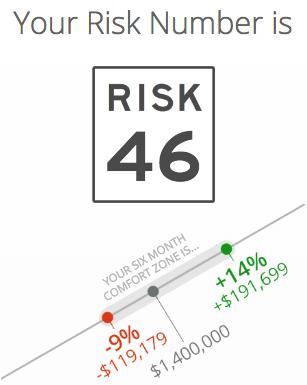
  • Simplify complex conversations. Risk profiling tools such as Nitrogen’s Risk Number® translate abstract volatility into clear terms clients understand. Instead of vague labels like “moderate” or “conservative,” clients see a personalized, data-driven measure of their comfort zone.
  • Automate repeatable workflows. Review prep that once took hours can now be done in minutes. Advisors walk into meetings with visuals, benchmarks, and performance stats ready to go, leaving more time to focus on goals and next steps.
  • Systematize proactive communication. A quick message at the right time can be the difference between panic and reassurance. CRM and engagement tools make it easy to deliver that consistently.
  • Use data to build trust. Clients increasingly want proof, not promises. Portfolio analytics and stress tests help advisors back up recommendations with evidence and show clients exactly how their investments align with their goals.
  • Streamline client education. Tools like interactive planning software or Nitrogen’s Retirement Maps® give clients a clear view of their path forward, reducing anxiety and deepening engagement.
  • Automate marketing outreach. For the first time, organic marketing has overtaken referrals as the top source of new leads (28% vs. 24.5%).  Digital content, email nurture campaigns, and advisor websites powered by the right tools make it easier to generate leads and stay top of mind.

When advisors use technology to automate the routine, they create more capacity for what can’t be automated: empathy, context, and meaningful conversations. The result is a practice that grows faster while feeling more personal to every client.

Practical Steps Advisors Can Take Now

Scaling with a personal touch is less about working harder and more about building the right rhythms into your practice. But where do you even start?

A 90-day sprint is a realistic way to get going.

In three focused months, you can shift from feeling reactive to running a practice that grows with consistency and confidence.

Month 1: Map your bottlenecks

Audit your time and workflows. Track how long it takes to prepare for reviews, how often you repeat the same explanations, and where client follow-ups fall through. The goal is to spot the patterns that pull you away from high-value conversations. Once you see them clearly, you’ll know where to focus.

Month 2: Build your systems

Choose one or two of those bottlenecks and put structure around them. That might mean creating a standard review template, setting up automated reminders in your CRM, or adopting a consistent way to explain portfolio risk. With each system you put in place, you reduce repetition and give clients a smoother, more predictable experience.

Month 3: Set your cadence

Design a simple 90-day calendar of client touchpoints. Include meetings, updates, and proactive check-ins. When communication is consistent, clients don’t just feel informed. They feel cared for. This is where technology and process meet empathy.

At the end of the quarter, you’ll have more than a few new tools in place.

You’ll have a practice that runs with less friction, leaving you free to focus on the moments that matter most to your clients.

That’s how you scale without losing the trust and connection that built your business in the first place.

Growth and Trust Can Go Hand in Hand

Advisors often feel forced to choose between growth and personal service. But the reality is you don’t have to sacrifice one for the other. With the right systems in place, you can deliver a consistent, high-touch experience while creating the capacity to serve more clients and grow with confidence.

The firms that succeed in the years ahead will be the ones that use technology to free up time for what matters most: trust, reassurance, and meaningful conversations.

Discover how Nitrogen can help you scale your practice while keeping client relationships at the center. Book a demo today.

7 Smart Business Moves Every Advisor Should Make this August

For many advisors, August is one of the few natural pauses in the year. Clients are on vacation, meetings slow down, and the inbox isn’t quite as demanding. It can feel like a chance to finally catch your breath.

That slower pace makes it tempting to shift into neutral and wait for the post-Labor Day rush. But the truth is, August is one of the best windows to focus on your business instead of just in it.

With fewer distractions, you have the space to step back, look at portfolios with fresh perspective, and reconnect client strategies with their long-term goals. It’s also the ideal time to set your own plan for how you’ll finish the year strong.

Here are seven practical moves you can make during this month to strengthen relationships, sharpen portfolios, and position your practice for the months ahead.

1. Pull forward tax-loss harvesting

Many advisors wait until December to review for losses, but that can mean missed opportunities. Research from Russell Investments shows that November and December are historically among the strongest months for the S&P 500. So waiting until year-end may limit your ability to capture losses.

By identifying opportunities in August, you give yourself more flexibility. You can realize gains where it makes sense, offset them with losses, and reduce concentration risk without the pressure of the December rush.

2. Audit client portfolios for summer risk drift

Markets rarely move in a straight line, and portfolios can drift away from a client’s original target risk faster than you think.

A portfolio that matched your client’s comfort zone in January may now be carrying more (or less) risk than they intended. And after strong equity performance in the first half of this year, many equity-heavy portfolios are carrying more risk than they were in January.

August is the time to check for drift and correct it before fall volatility historically picks up. A summer portfolio review helps ensure current portfolio risk still matches the client’s stated tolerance.

Even small adjustments can reassure clients that risk is being monitored consistently.

3. Run a mid-year life change pulse check

A short conversation in August can reveal developments such as a job change, a major purchase, or a shift in retirement timing.

These changes often represent great opportunities for advisor portfolio planning or plan adjustments. By catching them now, you can update strategies while there is still time for those changes to influence the year’s results.

A quick pulse check shows clients that you are attuned to their broader life circumstances, not just their account balances.

4. Stress-test against both volatility and inflation shocks

September and October, historically, are often more volatile months.

Since 1950, September has often represented the weakest month for the stock market, with the S&P 500 averaging a –0.7% return during this period. So August is a smart time to check if client portfolios are prepared for that possibility.

It also helps to model other risks like inflation or interest rate spikes. These can impact purchasing power and retirement timing as much as a market dip.

By stress-testing now, you show clients that risks are being anticipated, not just reacted to. That builds trust and keeps them focused on long-term goals.

5. Pre-book Q4 with a theme

Securing Q4 review meetings in August helps avoid the post-Labor Day rush. However, scheduling is only part of the value.

Give these meetings a central focus so they stand out as strategic events. Themes such as “year-end tax efficiency” or “preparing for the 2026 tax law changes” set expectations for a high-value conversation.

This approach can also make it easier to prepare materials in advance, since each meeting will share a common purpose and talking points.

6. Refresh your client volatility kit

Market headlines tend to pick up in the fall. Having your response materials ready means you can reassure clients quickly and effectively.

Update resources such as market explainers, volatility FAQs, and one-page portfolio strategy summaries. If your technology platform provides visual portfolio tools, ensure those are updated with the latest models and data, like the 95% historical range for Nitrogen users.

A ready-to-use volatility kit can save hours during unstable weeks and help clients stay focused on long-term goals.

7. Do a compliance sweep that doubles as a value audit

August is an ideal time to catch up on compliance requirements such as updating client files, notes, and portfolio change documentation.

While doing this, also review your notes to capture the value delivered to each client this year. Documenting these wins can support retention conversations and highlight the outcomes of your work.

Turning compliance into a trust-building exercise shows that fiduciary care is an active part of your process

The bottom line

August may not have the urgency of tax season or the high volume of year-end planning, but that is exactly what makes it valuable. It is a rare opportunity to reinforce client relationships and prepare your business for the months ahead.

If you want to bring research and planning tools, risk alignment, and client communication together in one workflow, Nitrogen makes it simple. From quantifying risk tolerance to aligning portfolios and documenting updates, the platform brings essential advisor tools into a single, easy-to-use system.

Book a demo to see how Nitrogen can help you make every season a season of growth.

Direct Indexing for All: How Nitrogen Helps Advisors Manage Risk in Custom Portfolios

Direct indexing has historically been an investment offering reserved for ultra-wealthy investors. In the past, it’s been a fairly unattainable option due to its high account minimums and time-intensive requirements. But as financial technology has advanced in recent years, direct indexing is becoming less of a niche investment option. Now, we’re seeing direct investing grow increasingly available to a wider range of investors, and not just ultra-high-net-worth individuals either.

As an advisor, growing accessibility to direct indexing solutions means new opportunities for you and your clients. Thanks to a growing number of AI-driven resources available today, you have more options than ever to deliver personalized portfolios that incorporate direct indexing solutions. Nitrogen can help you quantify and align risk at every stage of the investment process, ensuring personalization doesn’t lead to excess risk within each client’s portfolio.

As you consider whether it makes sense to incorporate direct indexing into your firm (or as more clients start requesting such offerings), here are a few things to keep in mind.

Historically, Access to Direct Indexing Has Been Limited

If you’re unfamiliar with the term, direct indexing is used to build a portfolio that mirrors the performance of a specific index (such as the S&P 500). Investors accomplish this by purchasing the individual underlying securities, as opposed to investing through a mutual fund or ETF. Essentially, direct indexing enables an investor to own the individual stock shares directly, while investing in an index fund (which also aims to mimic index performance) means owning shares indirectly.

With an index fund, individual investors don’t have a choice regarding what underlying assets are included. Direct indexing gives investors more control, since they decide the specific assets to invest in. Why is this important? Because it allows investors to better customize their portfolio to address their specific goals. Say your client wants to tilt their portfolio toward environmentally responsible companies, exclude a certain sector, or harvest losses for tax efficiency. Direct indexing makes it possible to do so.

But here’s the issue: This high level of customization has historically come with significant barriers. Most direct indexing portfolios are subject to high minimums (often $250,000 or more), immediately limiting the investor pool.

Obtaining assets within a particular index is also complex, time-consuming, and can require access to resources not all individual investors or advisors have. And finally, the frequent monitoring and oversight required have traditionally made direct indexing an exclusive offering reserved for the ultra-wealthy.

Despite these historical challenges, advisors today are working with a new generation of technology powered by advanced automation and artificial intelligence. As a result, many of these barriers have been lowered, making direct indexing a more viable option for everyday investors who are interested in ultra-customized portfolios.

The Benefits of Direct Indexing

Direct indexing offers a level of flexibility and customization that index funds simply do not. This enables investors to tailor their portfolios to better reflect their personal values, tax needs, and financial goals.

While there are plenty of options on the market, index funds are one-size-fits-all by design. By comparison, direct indexing lets advisors build personalized portfolios from the ground up.

Prior to improvements in advisor-focused technology, personalization required significant manual effort and oversight. Advisors would have a hard time offering direct indexing to the majority of clients, based on the time and energy needed to manage each portfolio. Now, financial technology platforms – including trading algorithms, rebalancing engines, and risk analytics tools – have changed the game.

These innovations are driving down costs and bringing scalability and efficiency to portfolio customization. The result? More advisors can offer personalized indexing strategies to a broader segment of clients. 

Managing Direct Indexing Risk with Nitrogen

Direct indexing does introduce a potentially greater level of market risk for investors. Unlike ETFs or mutual funds, which are curated and rebalanced by a team of professionals, direct indexing puts the advisor, or the individual investor, in the driver’s seat. Yes, this can be empowering, but it can also lead an investor to take on more risk than they realize.

When clients request changes, such as avoiding a certain sector, concentrating heavily in a specific industry, or applying ESG screens, those decisions can skew the entire portfolio’s risk alignment. Without a strong framework for assessing risk, those changes can unintentionally increase volatility or reduce diversification in ways that aren’t immediately obvious.

Nitrogen, however, is built to help advisors bring clarity and confidence to complex portfolio conversations, especially those involving customization. By assigning each investor a personalized Risk Number®, advisors can establish a clear baseline for acceptable risk and evaluate proposed changes in the context of that threshold.

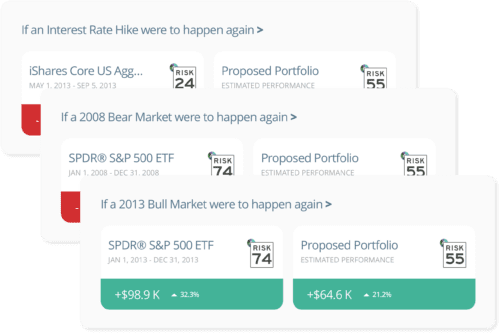
For example, if a client wants to overweight technology stocks or exclude all energy holdings from their portfolio, Nitrogen allows the advisor to model those changes in real time. Using built-in scenario analysis and stress testing tools, advisors can quantify how those decisions affect the portfolio’s overall risk profile before implementing a single trade.

This kind of proactive risk modeling can play a critical role in incorporating direct indexing into more clients’ portfolios. It helps set realistic expectations, maintain alignment with client goals, and prevent mistakes that may be difficult (and costly) to reverse.

Create Custom, Risk-Focused Portfolios with Nitrogen

Thanks to recent advancements in fintech, direct indexing has become less of an exclusive, ultra-high-net-worth-only strategy. More investors are now able to leverage its flexibility, tax loss harvesting capabilities, and values-based investing opportunities.

But remember, having the ability to personalize a portfolio doesn’t mean an investor’s tolerance for risk goes unchecked. 

Risk-focused tools like Nitrogen can be especially powerful for advisors looking to scale their offerings through direct indexing. With Nitrogen, you can quantify risk, model proposed changes, and ensure that every customization supports, instead of jeopardizes, your client’s long-term plan.

From helping your clients quantify their risk to modeling scenarios and generating proposals, Nitrogen offers the tools you need to deliver personal portfolios. Schedule your free demo today to learn how Nitrogen can help you build personalized, risk-aligned portfolios with confidence.